Our Learning Journey
Our Learning Journey
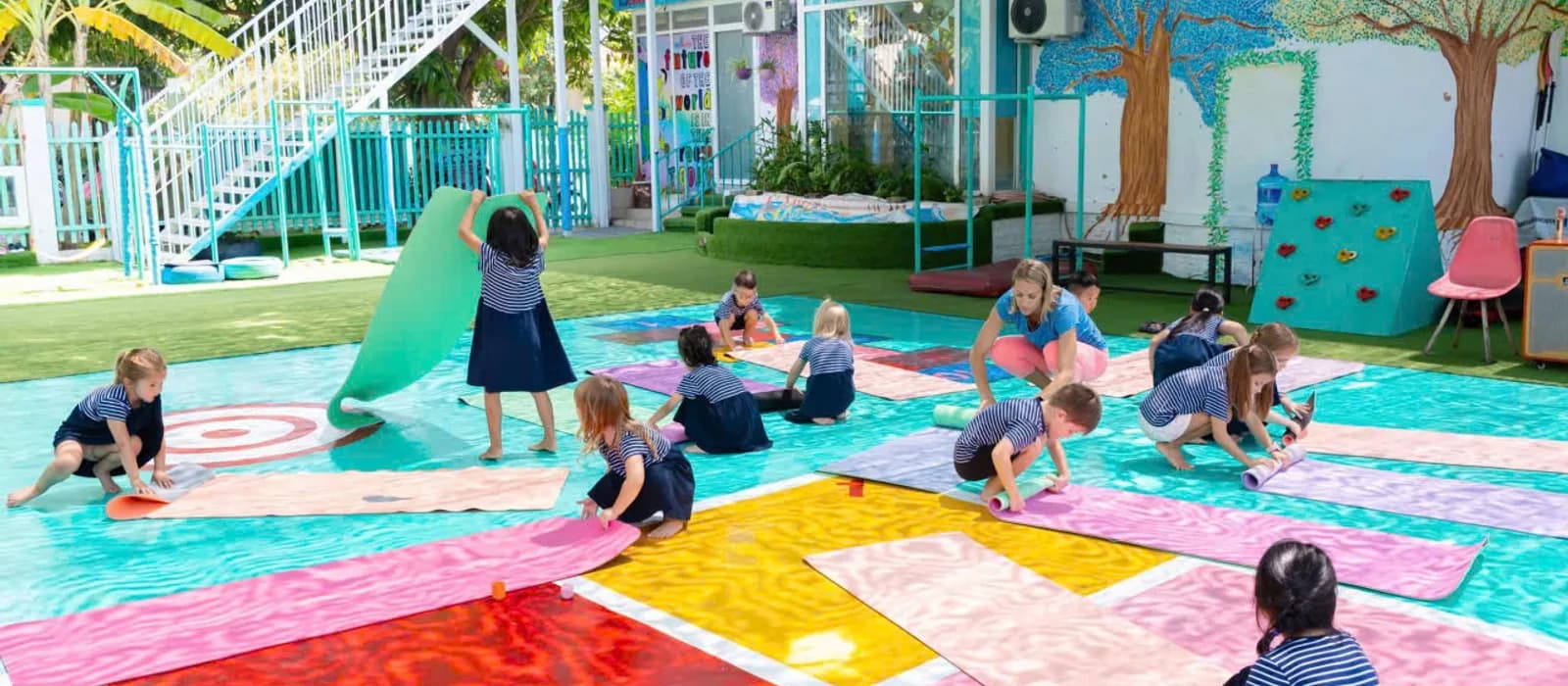
At Kid Castle International School, we follow the Cambridge pathway for our young learners. Our EYP (Early Years Program) focuses on developing skills and knowledge for their next stage of education through a holistic approach — emphasizing social, physical, emotional and cognitive development alongside language, communication and math skills.
Our Cambridge Pathway
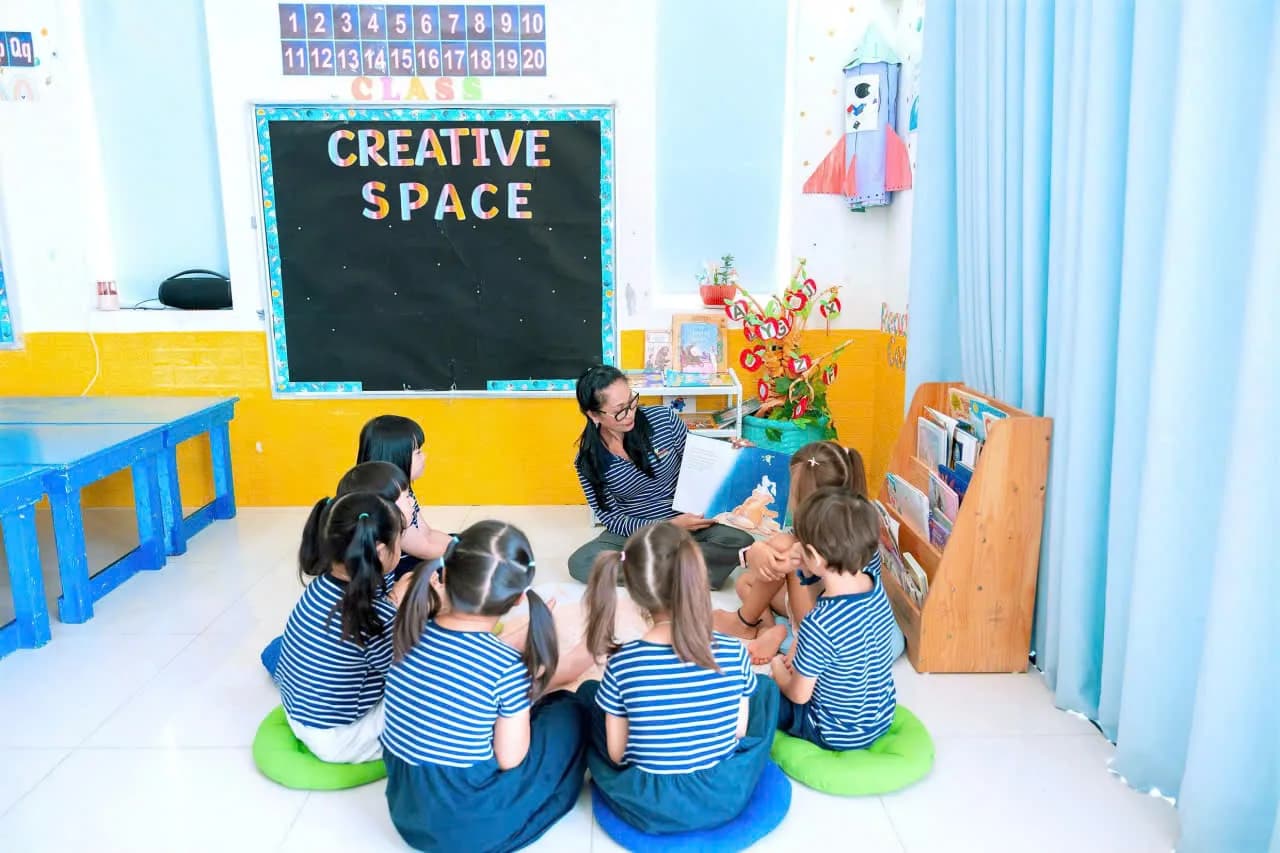
At Kid Castle International School, we follow the Cambridge pathway for our young learners. Our EYP (Early Years Program) focuses on developing skills and knowledge for their next stage of education through a holistic approach. Our approach focuses on social, physical, emotional and cognitive development along with language and communication and math skills.
Our Learning Journey
Our Cambridge Pathway
A seamless pathway from early exploration to academic excellence, designed to support children at every stage of growth.
Early Explorers
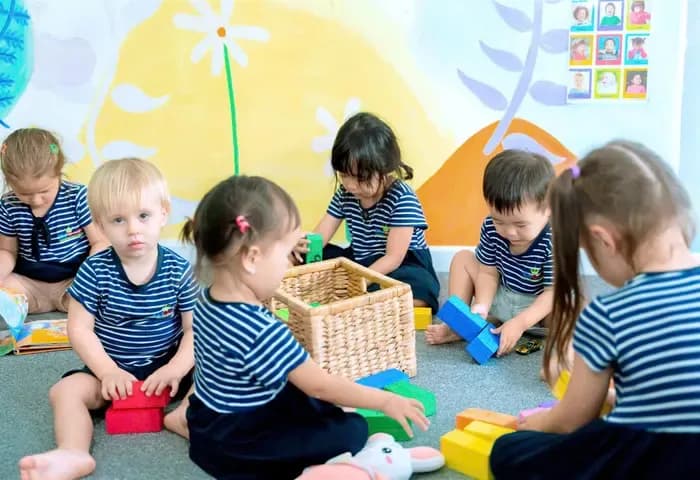
A nurturing start where little ones explore, discover, and build foundational skills through play.
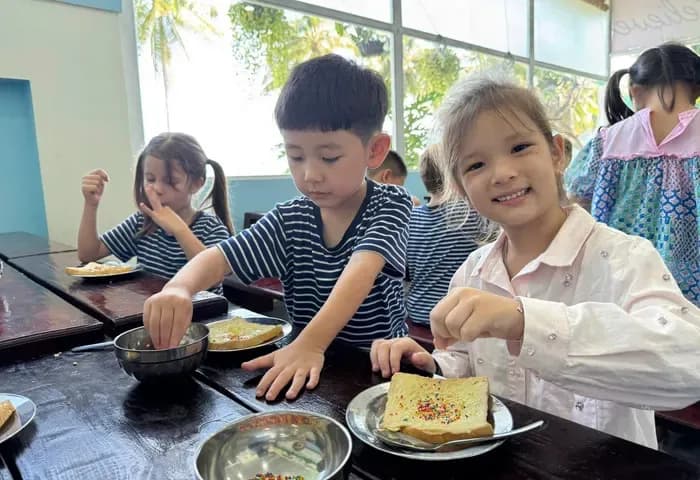
Curious Learners
Curiosity grows as children ask questions, explore ideas, and develop independence and confidence.
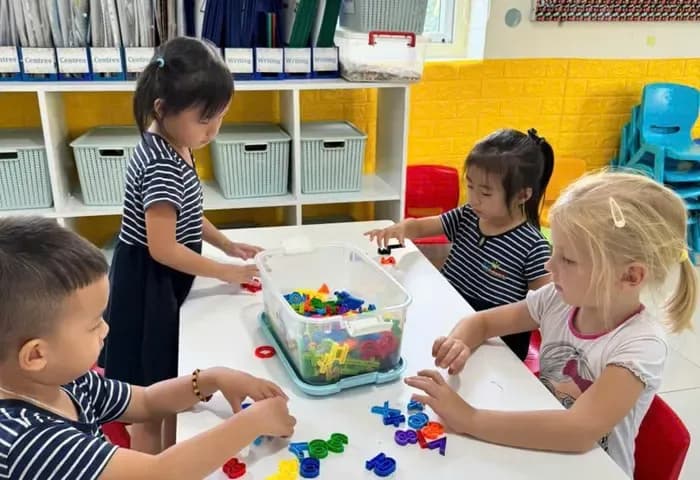
Kindy Explorers
Exploring the world with wonder, building thinking skills, and strengthening social connections.
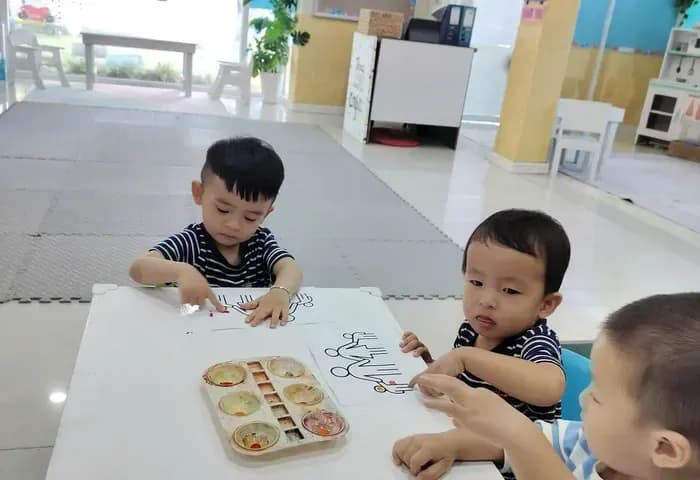
Kindergarten
Preparing for primary success through deeper learning, collaboration, and developing a growth mindset.

Primary Years
Building strong academic foundations, critical thinking, and leadership skills for lifelong achievement.
Our Educational Approach
At Kid Castle we empower minds through a blend of student-led and teacher learning inspired by Reggio and Montessori methods following the Early Years Benchmarks from Cambridge.
Experience
Learning complements the social and cultural factors that shape a child's development in the classroom.
Active
Children take an active part in their own learning, building competence, responsibility, confidence and self-worth.
Balance
Learning balances physical, cognitive, language, communication, social and emotional development.
Play
Learning is age-appropriate, play-based and child-centered, blending child-led and teacher-led activities.
Transition
Children move on confidently to primary school, from informal play-based learning to formal teaching.